
QVET platform application / Autonomy
A living view of the road.
Vehicle-mounted sensing turns synchronized observations into versioned WorldGraph products for autonomy, mapping, and robotics teams.
Solana coordinates customer-funded mapping missions and contributor payments. Environment data stays off-chain.
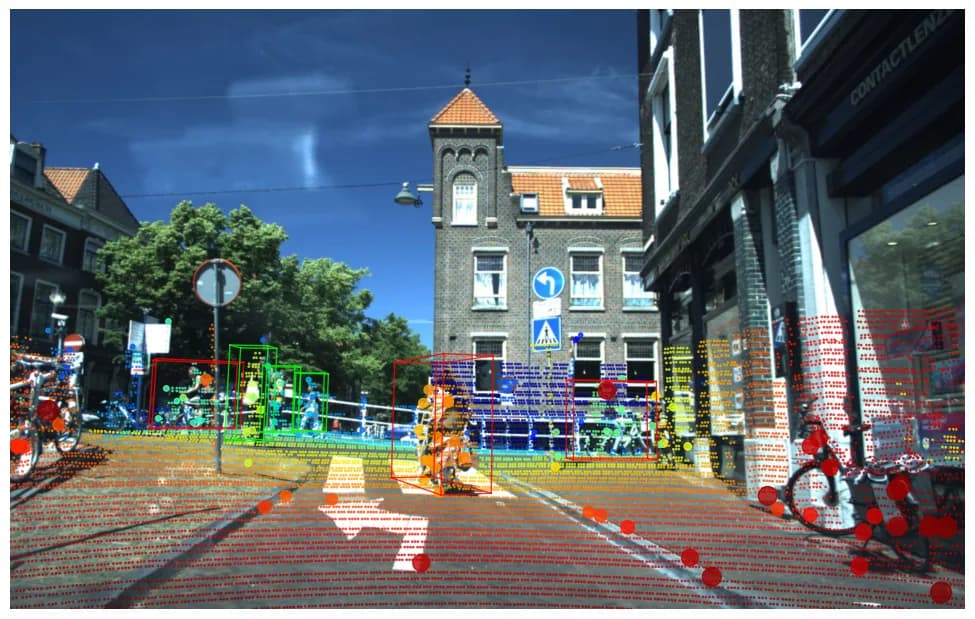


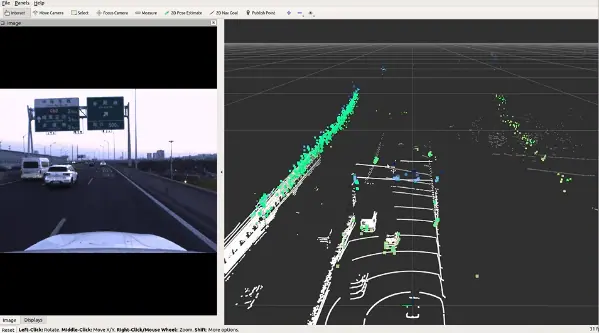
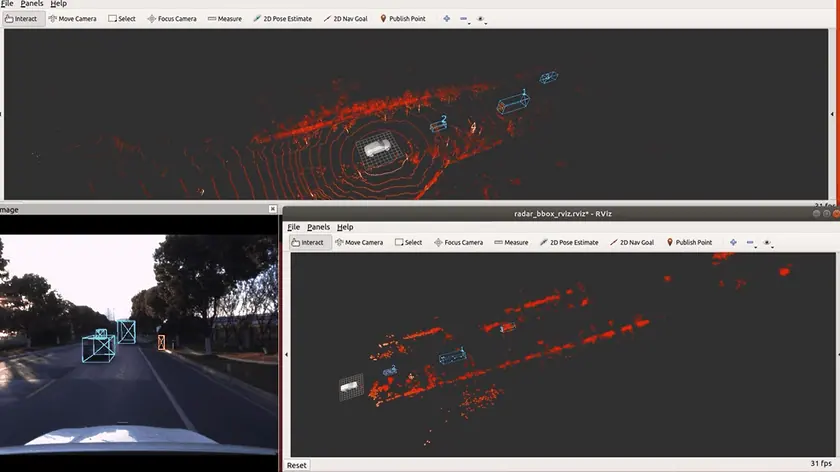
Multimodal capture
Context for people. State for machines.
Camera imagery can support operator review while synchronized spatial returns carry geometry and movement into the machine pipeline.
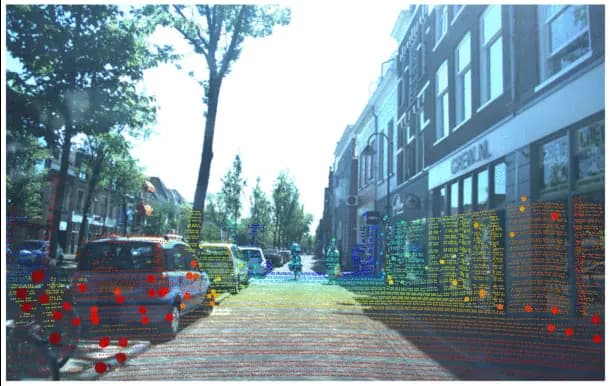
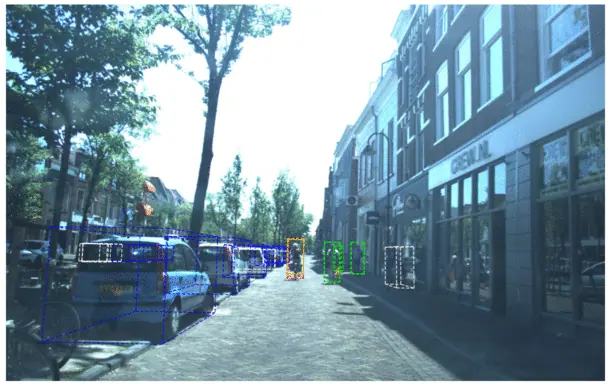
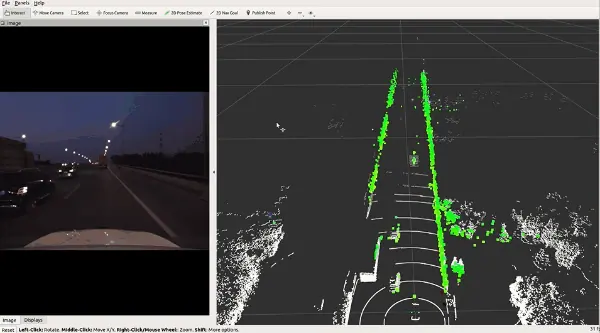
Environment intelligence
One sensing network. Four useful outputs.
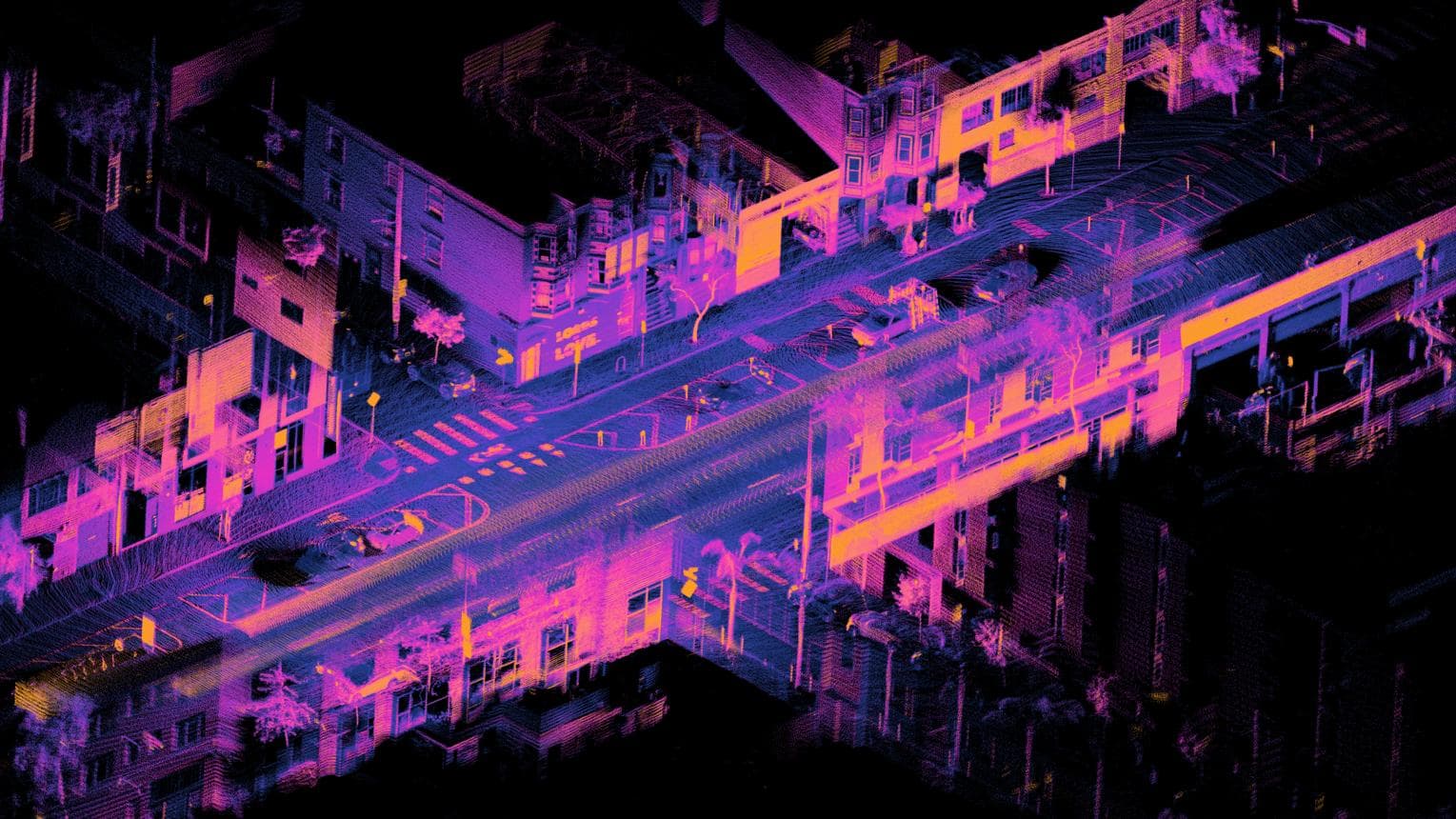
WorldGraph is a versioned spatial model of persistent features, movement patterns, and freshness. It is not a photorealistic city mesh.
Spatial structure
Road edges, curbs, barriers, and persistent landmarks in a consistent machine coordinate frame.
Change and freshness
Versioned tiles show where observations are recent and where new coverage is needed.
Movement patterns
Aggregated stopping, braking, acceleration, and turn events without driver identity records.
Requested refresh
Customers can direct new collection toward stale or operationally important spatial cells.
How it works
Capture once. Build several products.
- 01
Fleet sensing
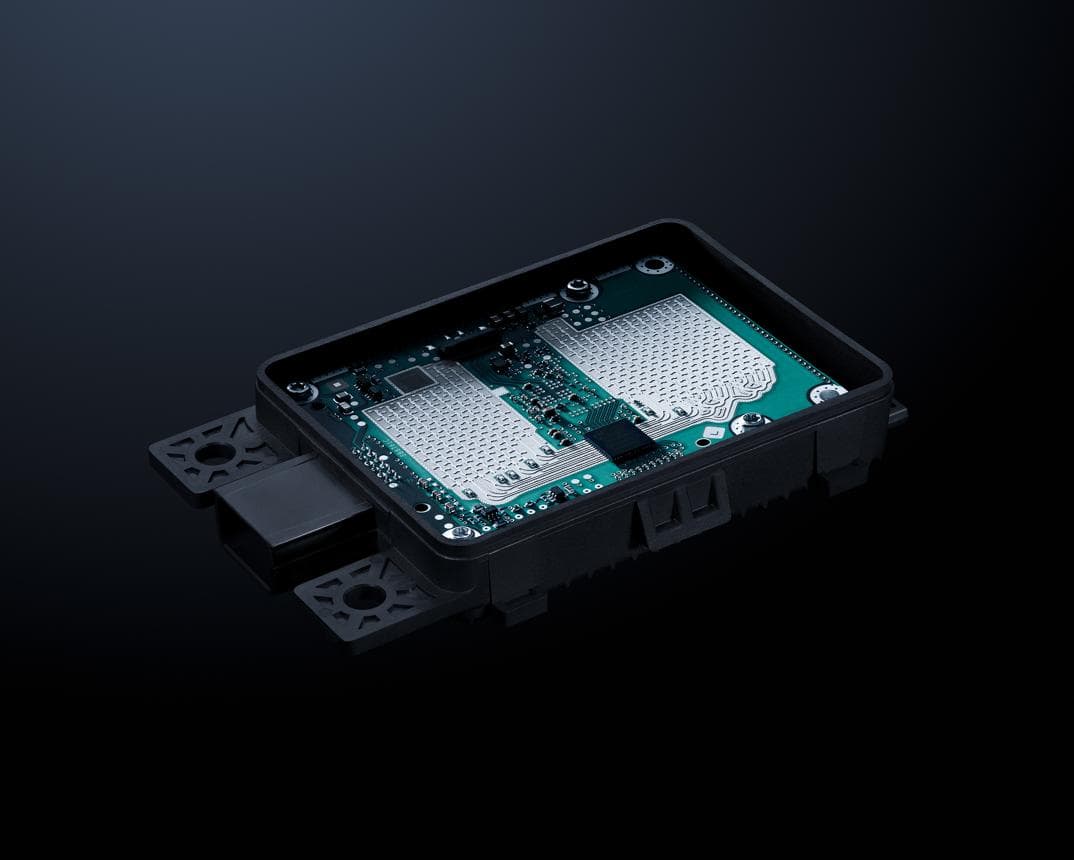
A mobile pod timestamps synchronized sensor and pose data, then securely uploads each capture segment.
- 02
Cloud processing
QVET aligns each observation with vehicle pose, accounts for ego motion, and separates moving objects from persistent returns.
- 03
WorldGraph
Persistent features, movement events, source history, and freshness scores become versioned data products.
- 04
Enterprise delivery
Customers receive scoped WorldGraph tiles, freshness signals, requested-area exports, and machine APIs.
System boundary
Lightweight on the vehicle. Intensive in the cloud.
The mobile pod handles sensing, timestamps, buffering, and secure upload. Spatial reconstruction, behavior extraction, freshness, and WorldGraph generation run in QVET Cloud.
Who uses it
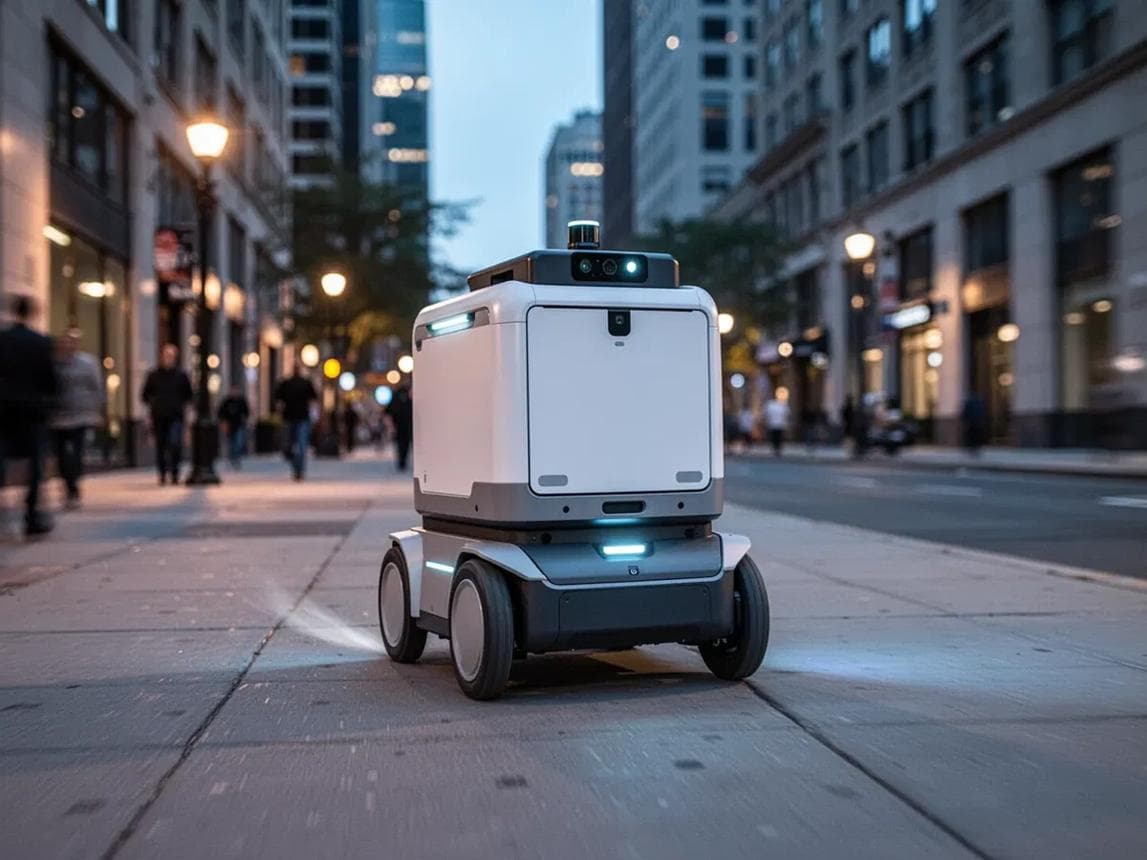
For teams operating autonomous systems in real places.
- Robotaxi and AV teams
- Prioritize new-city coverage, compare fresh observations, and add RF-derived context to existing mapping stacks.
- Delivery robotics
- Monitor road-edge changes, stopping behavior, and route conditions across operating areas.
- Mapping providers
- Request targeted refreshes and consume versioned features with clear source history.

Solana contribution network
Pay for useful coverage, not undirected collection.
Customers fund requested cells in USDC. QVET verifies accepted observations, then the marketplace program releases payment once from escrow.
Sensor captures and WorldGraph products remain off-chain. Solana handles escrow, settlement, and replay protection.
- 01
Customer defines target cells
- 02
USDC budget enters campaign escrow
- 03
Contributor covers requested cells
- 04
Accepted reward settles once